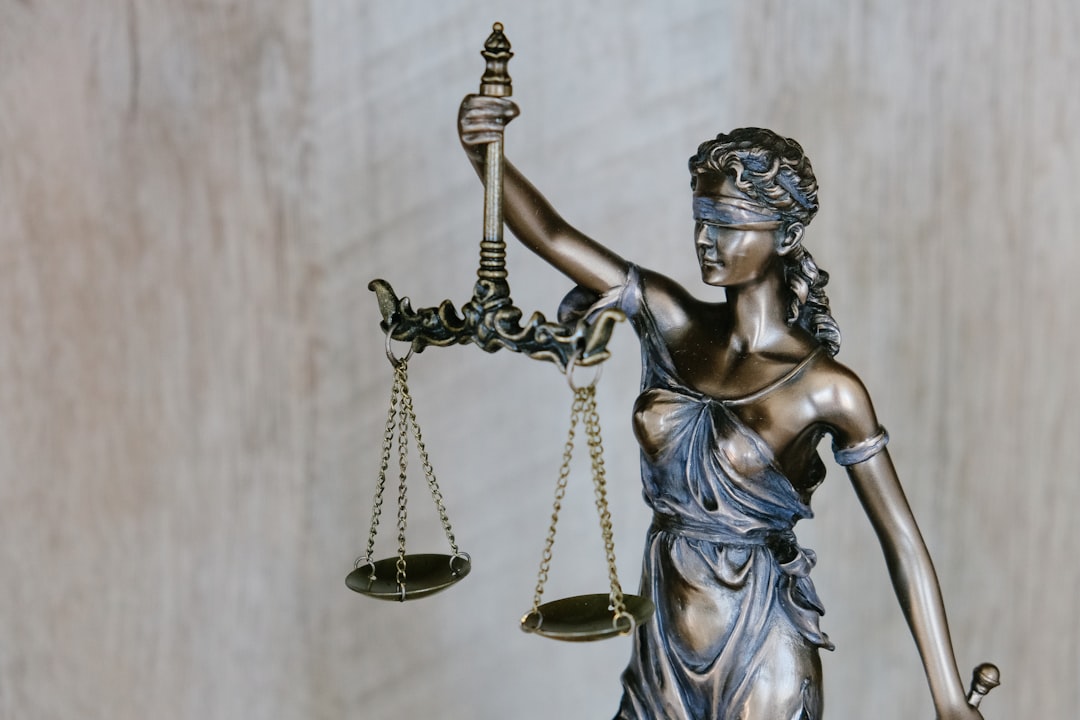
Debt collectors in Nebraska must adhere to the Fair Debt Collection Practices Act (FDCPA), which protects consumers from abusive practices. Consumers are advised to document interactions, maintain records, and consult a debt collector Attorney Nebraska for guidance. Key rights include debt validation, restrictions on contact frequency, and protection against false statements. Violations can lead to legal repercussions. Resources like the Nebraska Attorney General's Office and local bar associations offer assistance.
Navigating the complex landscape of debt collection can be a daunting task for Nebraskans facing financial strain. The interactions with debt agencies often leave individuals feeling vulnerable and overwhelmed, especially when dealing with aggressive tactics or unclear legal rights. This article serves as a comprehensive guide, empowering residents to understand their rights and employ effective strategies. By demystifying the process, we aim to equip folks with the knowledge to assert their position, communicate with debt collectors, and explore options like negotiating settlements or challenging inaccurate claims. A debt collector attorney in Nebraska can play a pivotal role in this journey, ensuring fairness and legal protection throughout.
Understanding Debt Collection Laws in Nebraska

In Nebraska, understanding debt collection laws is paramount for both consumers and debt collector Attorney Nebraska. The state has specific regulations designed to protect individuals from unfair or abusive practices by debt collectors. One of the key pieces of legislation guiding this process is the Fair Debt Collection Practices Act (FDCPA), which sets forth rules that debt collectors must adhere to when attempting to collect debts. For instance, debt collectors are prohibited from engaging in harassing behavior, using false or deceptive statements, or making threatening calls.
Violations of these laws can result in significant consequences for debt collectors, including financial penalties and damage to their reputation. Consumers in Nebraska should be aware of their rights under the FDCPA and know that they can take legal action if they feel their rights have been violated. A debt collector Attorney Nebraska can provide crucial guidance on navigating these complex regulations, ensuring that both parties involved are treated fairly and ethically.
Practical insights for consumers include keeping detailed records of all communications with debt collectors, including the date, time, and content of each interaction. If a consumer believes their rights have been infringed upon, they should document this evidence carefully before consulting with a debt collector Attorney Nebraska. By understanding and asserting their legal protections, individuals in Nebraska can better manage their financial situations while ensuring compliance with state and federal debt collection laws.
Your Rights When Dealing with Debt Collectors

In Nebraska, when you’re dealing with debt agencies or collectors, understanding your rights is paramount. As per state laws, debtors are protected from unfair or abusive practices by the Fair Debt Collection Practices Act (FDCPA). A key player in this scenario is the debt collector attorney Nebraska residents can turn to for guidance. These professionals specialize in navigating complex legal territories to ensure your rights are upheld.
Debt collectors must identify themselves and provide validation of the debt they claim you owe. They cannot harass, threaten, or use false statements when attempting to collect a debt. For instance, using abusive language, making repeated calls with the intent to annoy, or misrepresenting the amount owed are prohibited actions. Nebraska law allows debtors to request verification of the debt in writing within 30 days of initial contact from a collector. This empowers individuals to challenge inaccurate claims and gain clarity on their financial obligations.
Should you face persistent harassment or believe your rights have been violated, taking action is crucial. Consulting with a debt collector attorney Nebraska offers can help you understand your options, including filing a complaint with the Federal Trade Commission (FTC) or pursuing legal action against the collector. The FTC actively enforces FDCPA regulations and provides resources for consumers facing debt collection issues. Additionally, Nebraska’s Attorney General’s Office offers support and guidance to residents dealing with unfair debt collection practices.
Remember, knowledge is your most powerful tool when confronting debt collectors. Being aware of your rights and understanding the legal framework surrounding debt collection can make a significant difference in how you resolve these matters. Always document interactions with collectors and keep records of any correspondence or agreements made. This documentation can be invaluable should disputes arise or legal action become necessary.
Communicating Effectively with Debt Agencies

Effective communication is a critical component of managing debt and interacting with debt agencies in Nebraska. When navigating interactions with these entities, individuals should be aware of their rights and employ strategic communication techniques to protect themselves. A debt collector Attorney Nebraska can offer invaluable guidance on this front, ensuring clients’ rights are upheld during negotiations.
The first step in effective communication is understanding the legal framework surrounding debt collection practices. In Nebraska, debt collectors must adhere to the Fair Debt Collection Practices Act (FDCPA), which outlines specific guidelines for their behavior. This includes prohibiting abusive, false, or deceptive practices, such as threatening language or misrepresenting the amount owed. By knowing their rights under this act, consumers can assert themselves and challenge any unfair tactics employed by debt agencies. For instance, if a consumer believes the debt amount is incorrect, they have the right to request verification of the debt from the collector.
Clear and concise communication is key when dealing with debt agencies. Consumers should provide accurate information about their financial situation and payment capabilities while maintaining a professional tone. Debt collectors often deal with a high volume of cases, so being organized and providing relevant details can streamline the process. For example, including copies of recent pay stubs or bank statements along with a detailed explanation of one’s budget may facilitate a mutually beneficial agreement. However, it is essential not to share sensitive personal information unless necessary for verification purposes.
Documentation plays a significant role in effective communication. Keeping records of all conversations and agreements made with debt collectors is advisable. This documentation can serve as proof during disputes or if the collector escalates the situation. Additionally, reviewing and understanding one’s consumer rights under Nebraska law empowers individuals to confidently engage in negotiations. By employing these strategies, consumers can navigate interactions with debt agencies more effectively, ultimately leading to better outcomes in managing their financial obligations.
Legal Action Against Unfair Debt Practices

In Nebraska, consumers facing debt collection issues have legal protections against unfair practices. When dealing with debt agencies, it is crucial to understand your rights and the actions you can take if these are violated. Legal action against debt collectors can be a powerful tool for those who have been treated unfairly. For instance, Nebraska law prohibits debt collectors from using deceptive or misleading tactics, such as falsifying information or making false promises about the legal consequences of non-payment. Consumers should document any suspected unfair practices, including dates, communication details, and relevant parties involved.
If a debt collector fails to comply with federal or state laws, such as those outlined in the Fair Debt Collection Practices Act (FDCPA), individuals can file a complaint with the Nebraska Attorney General’s Office or seek legal counsel. A debt collector attorney in Nebraska can guide consumers through the process of filing a lawsuit if necessary. These actions not only protect individual rights but also serve as a deterrent against abusive collection practices. According to recent data, Nebraska has seen a steady increase in consumer complaints related to debt collection, highlighting the importance of proactive measures and legal avenues for resolution.
Practical advice for consumers includes keeping detailed records of all interactions with debt collectors, including written communications and any promises made. If a debt collector makes unacceptable demands or threatens illegal actions, consumers should immediately cease communication and consult a qualified attorney. Many debt collector attorneys in Nebraska offer free initial consultations to discuss unique circumstances and available legal options. By understanding their rights and taking appropriate action, consumers can navigate the complexities of debt collection with confidence and ensure they receive fair treatment throughout the process.
Resources and Support for Nebraska Residents

Nebraska residents facing debt collection issues have a range of resources and support options available to them, offering a glimmer of hope amidst financial challenges. The state’s laws are designed to protect consumers from abusive or unfair practices by debt collectors, ensuring fair treatment during difficult times. One crucial aspect is understanding the rights afforded to you under Nebraska law, which includes guidelines for communication, disclosure, and collection methods.
A prominent role in this process is played by the Nebraska Attorney General’s Office, which provides valuable resources and assistance to residents dealing with debt agencies. Their website offers a comprehensive guide on debt collection rights and responsibilities, including information on how to file complaints against abusive collectors. Additionally, the Attorney General’s office collaborates with local bar associations to refer consumers to qualified debt collector attorneys in Nebraska, ensuring access to legal counsel tailored to their needs. This support is pivotal in navigating complex legal systems and protecting one’s rights.
For instance, Nebraska law limits the number of times a debt collector can contact you, restricts certain practices like using obscene language, and requires collectors to provide validation of the debt. Being aware of these rights empowers residents to stand up for themselves and challenge unfair tactics. Legal aid organizations and community services also play a vital role by offering free or low-cost counseling, helping individuals develop strategies to manage and resolve their debts effectively. These support systems collectively contribute to creating a safer, more informed environment for Nebraska residents navigating debt collection issues.