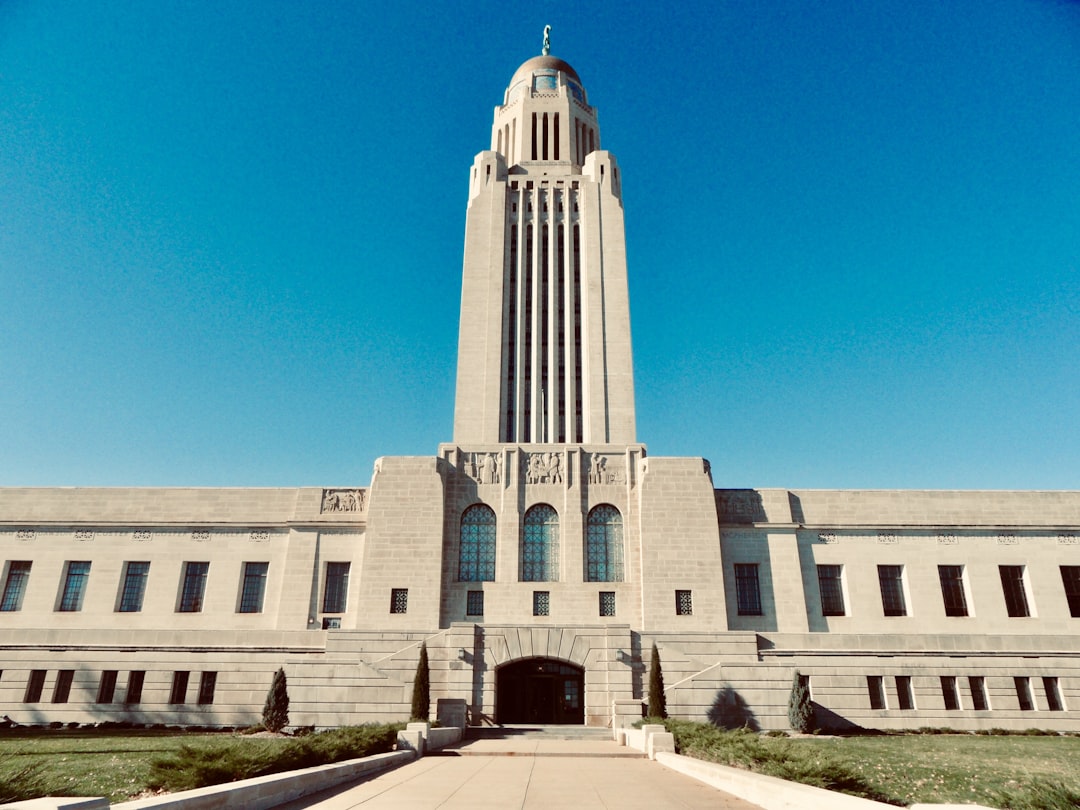
In Nebraska, both debt collectors and consumers are protected by strict laws governing debt collection practices. Consumers have rights to dispute debts, limit contact frequency, and cease proceedings upon error disputes. The Fair Debt Collection Practices Act (FDCPA) regulates collectors, prohibiting harassment and deceptive tactics. Consulting a debt collector lawyer in Nebraska is crucial for navigating these laws, ensuring fair treatment, and understanding legal options under the FDCPA.
Debt Collection Laws in Nebraska: An Overview

In Nebraska, debt collection laws are designed to protect both consumers and debt collectors, ensuring fair practices in the recovery of debts. The state has specific regulations that govern how debt collectors can interact with debtors, including restrictions on harassment, false or deceptive statements, and unfair collection methods. A debt collector Lawyer Nebraska is crucial for understanding these rules, as they can vary widely from federal laws.
Debt collectors in Nebraska must adhere to strict guidelines regarding the timing and frequency of contact, providing accurate information about the debt, and verifying the validity of the claim. Consumers have rights too, including the ability to dispute the debt and request validation from the collector. Knowing these laws is essential for both parties to ensure a transparent and lawful debt collection process.
Rights of Consumers: What You Need to Know

In Nebraska, consumers have specific rights when dealing with debt collectors. Understanding these rights is crucial for navigating the process effectively and ensuring fairness. One key right is the ability to verify the debt’s validity. Upon request, a debt collector must provide proof of the debt, including details about the original creditor and the amount owed. This empowers consumers to challenge any errors or inaccuracies.
Additionally, Nebraska law limits the number of times a debt collector can contact you regarding a debt. They are restricted from calling more than seven days apart or before 8 a.m. or after 9 p.m., except in specific cases. Consumers also have the right to request that the debt collection process stop entirely if they believe the debt is not theirs or has been incorrectly calculated. Consulting with a debt collector lawyer in Nebraska can help ensure these rights are respected and provide guidance on further legal options, if needed.
Fair Debt Collection Practices Act (FDCPA) Application

In Nebraska, the Fair Debt Collection Practices Act (FDCPA) applies to debt collectors as well, ensuring that they operate within ethical and legal boundaries when pursuing payment from debtors. This federal law establishes rules for the collection of consumer debts, aiming to protect individuals from aggressive or unfair practices. Nebraska residents have rights under the FDCPA, which prohibit harassment, deception, or excessive pressure tactics during debt collection attempts.
If you are dealing with a debt collector in Nebraska and believe your rights are being violated, consulting a debt collector lawyer can be beneficial. Legal experts specializing in consumer rights can guide individuals through their options, ensuring they understand their legal standing. Understanding the FDCPA is crucial for anyone facing debt collection issues, as it provides clear guidelines on how debt collectors should conduct themselves, thereby empowering consumers to assert their rights.
When and How to Hire a Debt Collector Lawyer
If you’re facing debt collection issues in Nebraska, hiring a debt collector lawyer can be a strategic move to protect your rights and understand your legal options. The first step is to assess your situation; if you have received communication from a debt collector or are being sued for a debt, it’s time to consult legal expertise. A debt collector lawyer will guide you through the complexities of Nebraska’s debt collection laws, ensuring your rights as a debtor are upheld.
In Nebraska, debt collectors must adhere to specific rules and regulations outlined in the Fair Debt Collection Practices Act (FDCPA) and state-level legislation. Engaging an attorney who specializes in this area can help navigate these legal frameworks effectively. They will know when and how to challenge unfair collection practices, negotiate with creditors on your behalf, or represent you if the case goes to court. Timely action is crucial; early intervention from a debt collector lawyer can often prevent abusive collection tactics and lead to more favorable outcomes.
Legal Recourse for Unfair Debt Collection Practices
If you find yourself facing unfair or abusive debt collection practices in Nebraska, there are legal protections in place to help you. The Fair Debt Collection Practices Act (FDCPA) is a federal law designed to prevent debt collectors from using deceptive, misleading, or harassing tactics when attempting to collect debts. This includes practices such as making false statements about the amount owed, threatening violence, or using abusive language.
In Nebraska, individuals who feel their rights have been violated by a debt collector can seek legal recourse with the help of a qualified debt collector lawyer. These attorneys specialize in navigating complex debt collection laws and advocating for clients’ rights. They can guide you through the process of filing a complaint with regulatory agencies or even pursuing legal action if necessary to stop unfair debt collection practices and recover any damages incurred.