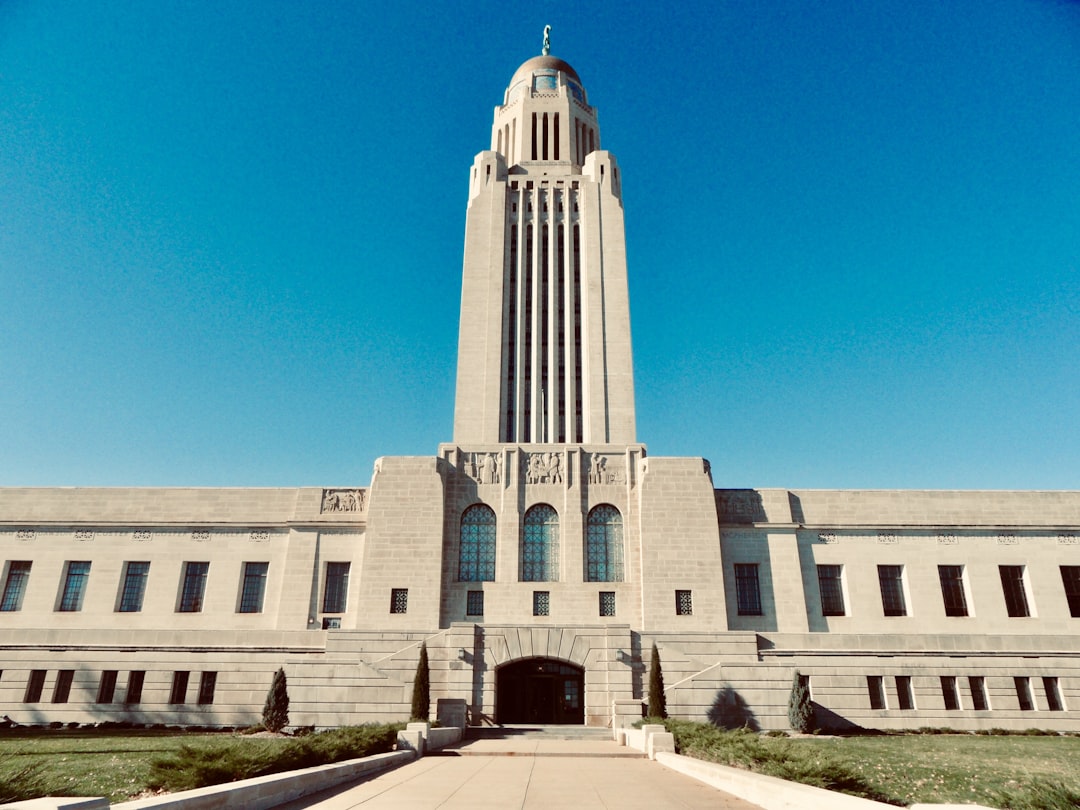
Nebraska's debt collection practices are governed by state and federal laws, including the Fair Debt Collection Practices Act (FDCPA), which protect consumers from abusive tactics. Key actions for debtors include documenting interactions, filing complaints, or consulting a lawyer for debt collector laws Nebraska to ensure rights are protected. Unfair practices like false threats, excessive contact, and misrepresenting the law are prohibited, with the FDCPA enforcing resolutions and fines. Engaging a skilled lawyer is crucial for navigating legal complexities, protecting consumer rights, and achieving favorable outcomes against abusive debt collectors in Nebraska.
In Nebraska, the issue of debt collection practices has become a significant concern for many residents, often leading to confusion and distress. The persistent nature of debt collectors can make navigating these situations challenging, especially when rights are unclear. This article provides an in-depth guide on how to effectively report debt collectors operating within the state boundaries, empowering individuals to protect their legal rights. We’ll explore the steps to take, the relevant Nebraska laws, and emphasize the importance of seeking advice from a qualified lawyer for debt collector to ensure proper procedures are followed.
Understanding Debt Collection Laws Nebraska

In Nebraska, debt collection practices are governed by both state and federal laws designed to protect consumers from abusive or unfair tactics. The Fair Debt Collection Practices Act (FDCPA) sets nationwide standards, while Nebraska’s statutes provide additional safeguards for residents. Understanding these laws is crucial when dealing with debt collectors in the state.
Debt collectors in Nebraska must adhere to strict guidelines regarding communication methods, hours of contact, and the amount of pressure applied to consumers. They are prohibited from using abusive or threatening language, making false statements about the debt, or employing harassing tactics. For instance, a collector cannot call you repeatedly at inconvenient times or use obscenities during conversations. Furthermore, they must verify the debt with your creditor before initiating contact and provide you with validation of the debt upon request.
If you believe a debt collector has violated Nebraska’s debt collection laws, taking action is essential. Documenting interactions, including dates, times, and any offensive remarks, serves as valuable evidence. You can file a complaint with the Nebraska Attorney General’s Office or seek legal counsel from a qualified lawyer for debt collector laws Nebraska. Many attorneys offer free consultations to discuss your case and guide you through the process of holding violators accountable. This proactive approach ensures that your rights are protected and helps maintain a fair and transparent debt collection environment in Nebraska.
Recognizing Unfair Debt Collector Practices
In Nebraska, unfair debt collector practices can include various abusive or deceptive tactics employed by collection agencies to retrieve debts. Recognizing these practices is a crucial first step towards protecting your rights as a consumer. Common unethical behaviors may involve false threats, excessive contact attempts, misrepresenting the law, or providing inaccurate information about the debt. For instance, a debt collector might falsely claim you owe a certain amount or threaten legal action without intending to follow through, which are both illegal under Nebraska law.
If you believe you’ve been subjected to such practices, it’s essential to document every interaction with the debt collector. Keep a record of all conversations, including dates, times, and a detailed account of what was said. Note any threats, promises made, or specific tactics used to pressure you into payment. These records can serve as compelling evidence if you decide to file a complaint with the Nebraska Attorney General’s Office or consult a lawyer for debt collector laws in Nebraska.
Knowing your rights under the Fair Debt Collection Practices Act (FDCPA) is paramount. This federal law prohibits debt collectors from engaging in abusive, unfair, or deceptive practices. A lawyer specializing in debt collection law can guide you through the process of reporting these violations and help navigate potential legal actions against the collector. Examples of actionable cases include when a collector calls you at an inappropriate time, uses obscene language, or harasses your family members or employers. Promptly documenting and reporting such incidents can lead to resolutions, fines against the collectors, and prevention of future abuses.
Documenting Interactions: What to Save

Choosing the Right Lawyer for Debt Collector Complaints
Choosing the right lawyer for debt collector complaints in Nebraska is a critical step in effectively addressing unfair or abusive collection practices. Given the complexity of consumer protection laws, it’s essential to find an attorney who specializes in this area and has experience navigating Nebraska’s legal landscape. A qualified lawyer for debt collector can provide invaluable guidance, ensuring you understand your rights and options while advocating on your behalf.
When selecting a legal representative, consider their expertise in handling specific types of debt collector complaints, such as violations of the Fair Debt Collection Practices Act (FDCPA) or unfair collection methods under Nebraska law. Review their track record and client testimonials to gauge their success rate and client satisfaction. Additionally, look for an attorney who offers a free initial consultation to discuss your case, providing an opportunity to assess their knowledge, professionalism, and fit for your needs.
For instance, some Nebraska-based consumer rights attorneys have successfully pursued debt collector lawsuits, securing substantial settlements for clients. Data from the Federal Trade Commission (FTC) suggests that consumer complaints about debt collection practices are on the rise, highlighting the growing need for robust legal representation. Engaging a seasoned lawyer for debt collector can help prevent further harassment, protect your credit standing, and potentially recover damages incurred due to abusive collection tactics.
Remember, timely action is crucial in debt collector cases. Promptly retaining legal counsel can preserve evidence and strengthen your position. During your initial consultation, clearly articulate the facts of your case and any specific issues you want addressed. An experienced attorney will then develop a tailored strategy, explaining their approach and the potential outcomes. By choosing a knowledgeable lawyer for debt collector in Nebraska, you gain an ally dedicated to upholding your rights and securing a favorable resolution.
Navigating the Legal Process in Nebraska

Navigating the legal process to report debt collectors in Nebraska requires a thorough understanding of state laws and regulations. In Nebraska, debt collection practices are governed by the Nebraska Revised Statutes, which outline rights for both consumers and debt collectors. A key aspect is ensuring that debt collectors adhere to fair and honest collection methods, as outlined in § 48-1273. If a consumer believes a debt collector has violated these laws, they have legal recourse.
One of the first steps when reporting a debt collector is to consult with a lawyer for debt collector in Nebraska. Legal counsel can provide critical guidance on the specific violations and the best course of action. For instance, if a debt collector uses harassing or abusive language, threatens legal action without intent to follow through, or fails to verify the debt, these are all potential violations that can be addressed through legal channels. A lawyer can help gather evidence, draft formal complaints, and even negotiate settlements on behalf of the consumer.
The Nebraska Attorney General’s Office also plays a vital role in protecting consumers from abusive debt collection practices. Consumers can file complaints online or in writing, detailing their interactions with the alleged offending collector. Data shows that timely reporting and official complaints can lead to successful resolutions. For example, in recent years, the Attorney General’s Office has successfully prosecuted several debt collection agencies for violations, securing refunds and damages for affected Nebraskans. This not only serves as a deterrent but also demonstrates the importance of individual actions in maintaining fair debt collection practices within the state.